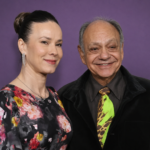
Susan Acevedo is a respected physician, healthcare leader, and philanthropist whose life story reflects the transformative power of education, perseverance, and service. Although she may not be a household name in mainstream media, her influence has grown steadily through her professional achievements and meaningful philanthropic work. In recent years, her name has attracted increasing attention because of her generous support for higher education and her dedication to helping underserved students gain access to life-changing opportunities.
What makes Susan Acevedo’s story particularly compelling is that it is rooted in lived experience. Her life represents a classic example of how family sacrifice, academic determination, and professional commitment can create not only personal success but also a lasting social legacy. From her upbringing in a hardworking immigrant family to her accomplished career in medicine and later philanthropic leadership, Acevedo has consistently demonstrated values of resilience, gratitude, and responsibility. Her journey is inspiring not only because of what she has achieved, but because of how she has chosen to use her success to empower others.
Contents
- 1 Early Life and Family Background
- 2 The Transformative Power of Education
- 3 Building a Career in Medicine
- 4 Transition into Healthcare Leadership and Consulting
- 5 A Shared Vision with David Sklar
- 6 The Landmark $1 Million Gift to Pomona College
- 7 Why Educational Equity Matters to Susan Acevedo
- 8 A Legacy Rooted in Gratitude
- 9 Susan Acevedo’s Broader Social Impact
- 10 Lessons from Susan Acevedo’s Journey
- 11 The Continuing Relevance of Her Story
- 12 Conclusion
Early Life and Family Background
Susan Acevedo’s early life was deeply shaped by the experiences of her immigrant parents, who came to the United States from Mexico in search of better opportunities for their family. Like many first-generation immigrant families, her parents worked tirelessly to provide stability and opportunity for their children. Her mother reportedly worked seasonal jobs in food canneries, while her father began as a farm laborer before eventually becoming a machinist. Their story was one of sacrifice, endurance, and determination—qualities that became foundational to Susan’s own outlook on life.
Growing up in California, Acevedo learned from an early age that education was viewed as the most reliable path toward social mobility and long-term security. Her parents emphasized academic achievement as a non-negotiable value, encouraging all of their children to pursue higher education. Their influence was profound. Remarkably, all seven siblings in the family reportedly attended college, a powerful testament to the culture of ambition and discipline established within the household.
This strong family foundation taught Susan Acevedo that success is rarely an individual accomplishment. It is often built on the sacrifices of previous generations. That understanding would later shape both her professional decisions and her philanthropic philosophy, particularly her focus on helping students from underserved backgrounds.
The Transformative Power of Education
Education played a defining role in Susan Acevedo’s life. Like many students from working-class families, she relied on scholarships and financial assistance to pursue higher education. She has publicly acknowledged that this support was essential in making college possible, reinforcing her belief that educational opportunity should not be determined by economic status.
Her personal experience gave her a deep appreciation for the power of financial aid. To many people, scholarships are simply funding mechanisms, but for Acevedo, they represented something far more significant: access, dignity, and hope. They were the bridge between potential and possibility. Without that support, her path into medicine and leadership may have looked very different.
This understanding stayed with her throughout her life. Rather than forgetting the systems that helped her succeed, she carried those lessons forward. That perspective would eventually inspire one of the most important public acts of her life—creating opportunities for future generations through educational philanthropy.
Building a Career in Medicine
Susan Acevedo established herself as a successful physician, dedicating years to the demanding and deeply meaningful field of medicine. Becoming a doctor requires extraordinary commitment—years of education, intensive training, emotional resilience, and a strong sense of responsibility toward others. Acevedo embraced those demands and built a career centered on service and patient care.
While detailed public records about her clinical specialties remain limited, her identification as a retired physician confirms a long and respected medical career. Physicians often serve not only as healthcare providers but also as problem-solvers, advocates, and trusted community figures. Those qualities appear to align closely with Acevedo’s broader public identity.
Her work in medicine likely shaped her understanding of inequality in profound ways. Healthcare professionals regularly witness how economic barriers affect quality of life, treatment outcomes, and long-term well-being. These experiences often broaden physicians’ perspectives on social responsibility. For Acevedo, medicine appears to have reinforced her commitment to helping others not just in clinics, but through broader systems of opportunity and support.
Transition into Healthcare Leadership and Consulting
As her career evolved, Susan Acevedo expanded beyond clinical medicine into healthcare consulting and leadership. This transition is common among experienced physicians who wish to create impact at a larger scale. Instead of focusing solely on individual patient care, consulting allows professionals to influence organizational systems, policies, and long-term healthcare strategies.
Healthcare consulting requires a different set of skills. It demands analytical thinking, business awareness, leadership, and the ability to solve complex institutional challenges. Acevedo’s move into this field reflects intellectual adaptability and a desire to continue contributing beyond traditional medical practice.
This stage of her career likely broadened her perspective even further. Working within healthcare systems can reveal structural challenges related to access, equity, and efficiency. It also strengthens an understanding of how leadership decisions affect real people. That systems-level awareness may have helped shape her later philanthropic priorities, especially her focus on sustainable, long-term impact.
An important part of Susan Acevedo’s public identity is her partnership with her husband, David Sklar. Their relationship reflects a shared commitment to medicine, education, and service. Both pursued successful careers in healthcare, and both later earned MBA degrees after recognizing the growing influence of business and leadership in modern healthcare systems.
This educational and professional parallel suggests more than coincidence—it reflects a shared worldview. Both appear to value continuous learning, strategic thinking, and purposeful contribution. Their careers demonstrate that professional growth does not end after medical training; it evolves alongside changing industries and personal values.
Their partnership has also become a platform for philanthropy. Together, they have chosen to direct their resources toward causes that reflect their own life experiences, particularly educational access. Their joint giving illustrates how philanthropy can become an extension of shared family values and collective purpose.
The Landmark $1 Million Gift to Pomona College
Susan Acevedo gained wider public recognition in 2024 when she and David Sklar donated $1 million to Pomona College. Their gift created the Rita and Herbert Sklar & Margarita and Jesus Acevedo Memorial Scholarship Fund, named in honor of their parents. The scholarship supports low-income California students pursuing degrees in science, technology, engineering, and mathematics.
The donation was significant not only because of its size, but because of its intention. By directing the funds toward low-income STEM students, Acevedo and Sklar targeted a group likely to benefit from both financial support and institutional encouragement. STEM education remains one of the most important pathways to upward mobility, yet access barriers continue to limit participation for many talented students.
Their gift reflects strategic philanthropy. Rather than simply donating to a general fund, they created a targeted scholarship designed to address specific educational inequalities. This approach aligns with modern philanthropy’s emphasis on measurable, long-term impact.
Why Educational Equity Matters to Susan Acevedo
Educational equity appears to be central to Susan Acevedo’s personal mission. Her own life demonstrates what can happen when talented students are given access to resources and opportunity. She understands that ability alone is not enough; many students need financial support, mentorship, and institutional encouragement to reach their full potential.
This belief is especially relevant in today’s social climate. Economic inequality continues to shape educational outcomes across the United States. Students from low-income backgrounds often face greater barriers in accessing high-quality education, completing degrees, and entering competitive careers. By supporting scholarships, Acevedo directly addresses this issue.
Her work also highlights a broader truth: educational giving creates ripple effects. Helping one student often benefits an entire family, community, and future generation. That multiplier effect makes scholarship philanthropy one of the most powerful forms of social investment.
A Legacy Rooted in Gratitude
One of the most striking aspects of Susan Acevedo’s story is the role of gratitude. Many successful professionals focus primarily on their own achievements, but Acevedo’s public actions suggest a different perspective. Her scholarship fund honors her parents and her husband’s parents, acknowledging the sacrifices that made their success possible.
This kind of gratitude transforms philanthropy into something deeply personal. It is not simply about writing checks; it is about honoring history, preserving memory, and extending opportunity forward. Through her giving, Acevedo connects generations—recognizing those who came before while supporting those who will come next.
That emotional depth makes her philanthropy especially meaningful. It demonstrates that legacy is not built only through career accomplishments, but through the values one chooses to pass on.
Susan Acevedo’s Broader Social Impact
Although public attention has largely focused on her scholarship work, Susan Acevedo’s broader legacy extends beyond a single donation. Her life reflects a pattern of meaningful contribution: first through medicine, then through healthcare leadership, and now through philanthropy.
This evolution mirrors a growing trend among accomplished professionals who use later stages of life to invest in public good. After years spent building careers, many turn toward mentorship, giving, and institutional support. Acevedo’s journey offers a compelling example of how personal success can evolve into social responsibility.
Her impact also demonstrates the importance of quiet leadership. She has not pursued public fame or celebrity status. Instead, her influence has grown through thoughtful action, ethical decision-making, and consistent service. In many ways, that makes her legacy even more powerful.
Lessons from Susan Acevedo’s Journey
Susan Acevedo’s story offers several important lessons. The first is that education changes lives. Her own path proves that access to higher education can transform not only one person’s future but an entire family’s trajectory.
The second lesson is that success carries responsibility. Rather than viewing achievement as a final destination, Acevedo appears to see it as an opportunity to give back. Her philanthropy reflects an understanding that those who benefit from opportunity can help create it for others.
Finally, her life reminds us that lasting impact often comes from values, not visibility. Compassion, gratitude, and service may not always generate headlines, but they shape communities and institutions in enduring ways.
The Continuing Relevance of Her Story
Susan Acevedo’s story resonates strongly in today’s world because it speaks to themes that matter deeply—equity, opportunity, family sacrifice, and social responsibility. In an era when conversations about inequality dominate public discourse, her life offers a hopeful example of what meaningful action can look like.
She represents a generation that benefited from educational mobility and has chosen to extend that opportunity forward. Her work reminds us that progress is often built not through dramatic gestures, but through sustained commitment to values and people.
That relevance ensures her story will continue to inspire students, professionals, and philanthropists alike.
Conclusion
Susan Acevedo’s life is a powerful example of what can happen when education, perseverance, and purpose come together. From her roots in a hardworking immigrant family to her successful career in medicine and her influential work in philanthropy, she has built a legacy grounded in service and gratitude.
Her story is not defined by celebrity or public attention, but by impact. Through her professional contributions and her commitment to educational equity, she has helped create opportunities that will continue shaping lives for generations. In many ways, that is the most meaningful kind of legacy—one measured not by recognition, but by transformation.