Contents
- 1 Introduction
- 2 Early Life and Childhood in Sweden
- 3 Family Background and His Parents’ Relationship
- 4 Growing Up as the Son of Anni-Frid Lyngstad
- 5 Life During ABBA’s Global Success
- 6 His Relationship with His Mother
- 7 His Professional Life and Career Path
- 8 Personal Privacy and Life Away from Public Attention
- 9 Family Tragedy and Personal Loss
- 10 His Place in the ABBA Legacy
- 11 Why Public Interest in Hans Ragnar Fredriksson Continues
- 12 Conclusion
Introduction
Hans Ragnar Fredriksson is a name that often appears in discussions surrounding the family of Anni-Frid Lyngstad, one of the iconic members of ABBA. While millions around the world know Frida for her extraordinary contribution to pop music and her place in one of history’s most successful music groups, much less is known about her eldest child, Hans Ragnar Fredriksson. Unlike many celebrity children who choose to embrace the spotlight, Hans has spent much of his life away from media attention, making him a fascinating yet mysterious figure.
His life story offers an interesting perspective on what it means to grow up connected to global fame while intentionally maintaining privacy. Born before ABBA became a worldwide phenomenon, Hans witnessed firsthand the transformation of his mother from a talented Swedish singer into an international superstar. Yet despite being linked to one of the most famous musical families in the world, he has quietly built a life largely outside public attention.
This article explores Hans Ragnar Fredriksson’s life in depth, including his childhood, family history, relationship with his famous mother, his personal and professional journey, and the legacy he represents within the broader story of ABBA and Scandinavian music history.
Early Life and Childhood in Sweden
Hans Ragnar Fredriksson was born on January 26, 1963, in Eskilstuna. He arrived during a period when his mother, Anni-Frid Lyngstad, was still building her music career in Sweden. At that time, Frida was not yet a household name worldwide. She was a young singer working hard in local music circles, performing in dance bands and steadily gaining recognition for her vocal talent.
Hans spent his earliest years in a relatively normal Swedish household. His father, Ragnar Fredriksson, was also involved in music, which meant creativity and performance were naturally part of the family environment. Music was not something distant in their home—it was woven into daily life. Growing up in such an atmosphere likely gave Hans an early appreciation for the arts, even if he later chose not to become a public performer.
His childhood unfolded before the chaos of global fame entered the family. This timing is important because it meant Hans experienced a period of ordinary family life before the demands of celebrity changed everything.
Family Background and His Parents’ Relationship
Hans was born to Anni-Frid Lyngstad and Ragnar Fredriksson, who married in 1963. Their marriage came at a young age, during a time when both were connected to Sweden’s local music scene. Like many young couples navigating careers and parenthood, their relationship faced challenges.
Although their marriage eventually ended in divorce, their union shaped the earliest foundation of Hans’s life. His parents shared a passion for music, and this creative environment undoubtedly influenced his upbringing. His father, though far less publicly known than Frida, contributed to the family’s artistic roots.
Hans also had a younger sister, Ann Lise-Lotte Fredriksson, born in 1967. Together, the siblings experienced childhood during one of the most transformative eras in their mother’s life—a time when Frida’s career began to rise rapidly in Sweden.
Growing Up as the Son of Anni-Frid Lyngstad
Being the son of Anni-Frid Lyngstad meant Hans’s life changed dramatically in the early 1970s. His mother’s participation in ABBA launched her into international superstardom almost overnight. Following ABBA’s victory at the Eurovision Song Contest 1974 with “Waterloo,” the group became a global sensation.
For Hans, this likely brought a mixture of pride, excitement, and disruption. Suddenly, his mother was no longer simply a parent—she was a world-famous celebrity traveling internationally, performing to sold-out arenas, and appearing constantly in the media.
Children of global stars often face unique emotional challenges. Their family life becomes harder to protect, and normal routines can disappear. Yet Frida was known for valuing family deeply, and many close observers believe she worked hard to shield her children from excessive media intrusion.
That protection may explain why Hans remained largely outside public view even during ABBA’s peak years.
Life During ABBA’s Global Success
The 1970s transformed not only Frida’s life but also Hans’s family identity. As ABBA released iconic songs such as “Dancing Queen,” “Mamma Mia,” and “Fernando,” the family name became internationally recognized.
Living during this era meant Hans witnessed music history from a uniquely personal perspective. While millions saw glamorous performances and magazine covers, Hans saw the private side—the rehearsals, the travel schedules, the demands, and the sacrifices that came with extraordinary fame.
This experience likely gave him a nuanced understanding of celebrity. Rather than idealizing fame, he saw its realities. That may be one reason he later chose a quieter path. Many children of celebrities either embrace fame or reject it. Hans appears to have chosen the latter.
His Relationship with His Mother
Despite Frida’s demanding career, reports and biographies consistently describe her as deeply devoted to her children. Family remained central to her identity even as she became one of the world’s most recognizable singers.
Hans’s relationship with his mother appears to have remained close throughout his life. Unlike some celebrity families fractured by fame, there is little public evidence of estrangement or conflict. Instead, Hans seems to have maintained a respectful and private connection with Frida.
That bond likely became even more important after later family tragedies. Strong family ties often become more meaningful during periods of loss, and the Fredriksson family endured profound heartbreak over the years.
His Professional Life and Career Path
Unlike many children of global celebrities, Hans Ragnar Fredriksson did not attempt to become famous through his family name. He avoided public entertainment careers and instead appears to have pursued a more private professional path.
Available records suggest his involvement in audio and recording work through business ventures such as Klaxon Audio AB. This indicates a meaningful connection to music, though from behind the scenes rather than center stage.
Working in sound or audio production would make sense given his upbringing. Raised by two musicians and surrounded by the music industry from childhood, Hans may have found fulfillment in contributing to that world without becoming a public figure himself.
This choice reflects independence. Rather than relying on inherited fame, he appears to have built his own quieter identity.
Personal Privacy and Life Away from Public Attention
One of the most defining aspects of Hans Ragnar Fredriksson’s story is his commitment to privacy. In an era when celebrity relatives often become public personalities through interviews, social media, or reality television, Hans has consistently avoided attention.
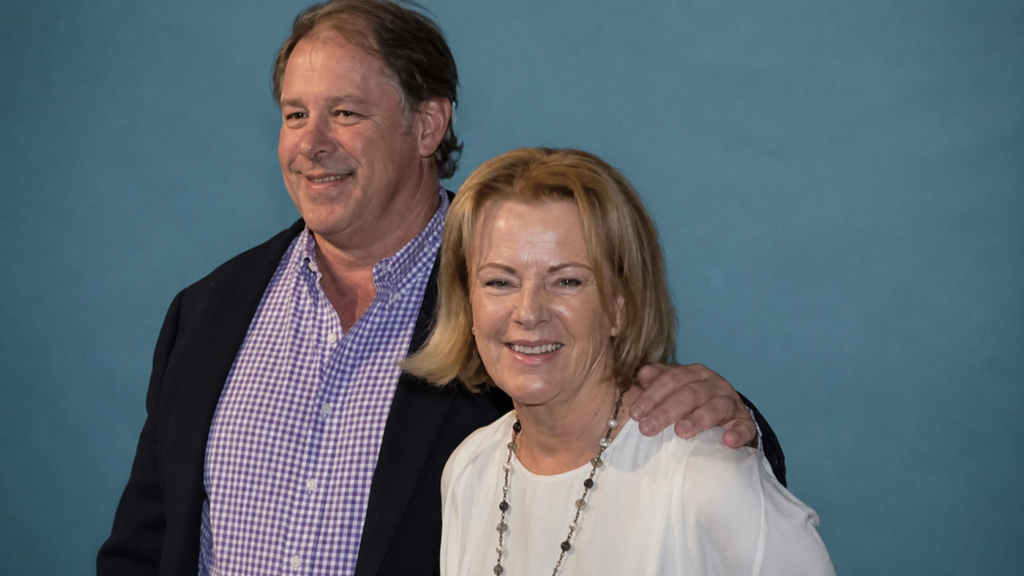
There are very few public photographs, interviews, or detailed personal records about him. This level of privacy is unusual for someone connected to a global music icon.
His decision suggests a deliberate philosophy: not every connection to fame must be publicly performed. In many ways, his life represents resistance to celebrity culture.
That privacy has only increased public curiosity. Fans often become more interested in those who remain hidden than those constantly visible.
Family Tragedy and Personal Loss
A major tragedy struck the Fredriksson family in 1998 when Hans’s younger sister, Ann Lise-Lotte Fredriksson Casper, died in a car accident in the United States.
The loss devastated the family. For Frida, it was one of the most painful moments of her life. For Hans, losing a sibling so suddenly must have been deeply traumatic.
Such tragedies often reshape family dynamics and personal priorities. They can reinforce the importance of privacy, emotional resilience, and close family relationships.
Though Hans has never publicly spoken at length about this event, it remains one of the defining emotional chapters in his life story.
His Place in the ABBA Legacy
Although Hans Ragnar Fredriksson is not a musician known to the public, he occupies an important symbolic place in the ABBA story. He represents the private side of one of music’s most public families.
Through Hans, fans gain a fuller understanding of Frida—not just as a legendary artist, but as a mother navigating fame, family, and personal responsibility.
His story reminds us that global icons have deeply personal lives behind the scenes. The children of legends often carry their own quiet narratives, shaped by both privilege and pressure.
Hans’s role in ABBA history may be indirect, but it remains meaningful.
Why Public Interest in Hans Ragnar Fredriksson Continues
Interest in Hans Ragnar Fredriksson continues because people naturally want to understand the human stories behind cultural legends. Fans of ABBA are not only interested in chart records and performances—they also care about the personal lives of the people who created that music.
Hans offers an important emotional connection to that history. Through him, audiences see another dimension of Frida’s life and legacy.
His mystery also adds to his appeal. In a digital age where nearly everyone shares everything, a private life feels unusual and compelling.
That mystery ensures continued curiosity from fans, historians, and entertainment writers alike.
Conclusion
Hans Ragnar Fredriksson may never have sought fame, but his story remains deeply fascinating. As the son of Anni-Frid Lyngstad, he grew up connected to one of the most influential musical movements in modern history. He witnessed the rise of ABBA from an intimate family perspective, experienced both privilege and hardship, and ultimately chose a life defined by privacy rather than publicity.
His journey reflects strength, independence, and quiet dignity. While his mother became one of the most recognizable women in music history, Hans chose a different legacy—one built not on fame, but on personal authenticity.
In many ways, that makes his story even more powerful. Hans Ragnar Fredriksson reminds us that not every meaningful life is lived in the spotlight. Sometimes the most compelling stories belong to those who deliberately step away from it.