Contents
- 1 Introduction
- 2 Early Life and Family Background of Ludlow Ogden Smith
- 3 Education and Early Development
- 4 Military Service During World War I
- 5 Meeting Katharine Hepburn
- 6 Marriage to Katharine Hepburn
- 7 Why He Changed His Name
- 8 Why Their Marriage Ended
- 9 His Continued Support of Katharine Hepburn
- 10 Career and Business Success
- 11 Life After Divorce and Second Marriage
- 12 Personality and Public Reputation
- 13 Death and Lasting Legacy
- 14 Conclusion
Introduction
Ludlow Ogden Smith is a name that frequently appears in discussions about legendary Hollywood actress Katharine Hepburn, but his story goes far beyond being remembered simply as her first husband. While Hepburn became one of the most celebrated actresses in American cinema, Smith chose a very different path—one marked by privacy, professionalism, dignity, and understated influence. His life offers a fascinating glimpse into early twentieth-century American high society, elite family traditions, and the personal sacrifices that often happen behind famous relationships.
Although public curiosity about Ludlow Ogden Smith usually begins with his marriage to Hepburn, historians and biographers increasingly recognize that his life deserves independent attention. He was a successful businessman, a military veteran, and a respected figure in social and financial circles. His role in Hepburn’s early life and career was meaningful, but his legacy is ultimately about much more than one famous relationship. His story reflects themes of loyalty, quiet resilience, and the kind of success that often goes unnoticed because it happens away from the spotlight.
Early Life and Family Background of Ludlow Ogden Smith
Ludlow Ogden Smith was born on February 6, 1899, in Philadelphia, into a wealthy and highly respected family. He was the son of Lewis Lawrence Smith and Gertrude Gouverneur Clemson Smith, members of Philadelphia’s old-money social class. His family belonged to a long-established network of influential East Coast elites, where education, reputation, and social responsibility were deeply valued.
Growing up in such an environment gave Smith a life of privilege, but it also came with expectations. Young men in families like his were expected to be disciplined, well-educated, socially polished, and professionally accomplished. From an early age, Ludlow was taught the importance of personal responsibility and dignity—qualities that would later define both his career and personal life.
His upbringing also exposed him to America’s most prominent social circles. During the late nineteenth and early twentieth centuries, families like the Smiths represented the backbone of upper-class American society. Their influence stretched across business, education, philanthropy, and politics. This environment shaped Smith into a man who valued discretion and stability rather than public attention.
Education and Early Development
Like many young men from privileged families, Ludlow Ogden Smith received an elite education designed to prepare him for leadership. While some details about his academic years remain limited, records suggest he was educated within the traditional framework of upper-class American institutions, where discipline and intellectual development were emphasized.
Education during this era focused not only on academic achievement but also on character formation. Young men were expected to develop leadership skills, social confidence, and strong personal ethics. Smith’s later reputation for calm professionalism and emotional steadiness suggests he absorbed those lessons deeply.
These formative years also prepared him for the rapidly changing world of the early twentieth century. America was modernizing quickly, industries were expanding, and the traditional social order was evolving. Smith entered adulthood at a time when old values were being tested by modern ambitions, and his life would reflect that tension repeatedly.
Military Service During World War I
When World War I reshaped the world, Ludlow Ogden Smith joined the United States Navy in 1918. Although his military service was relatively brief, lasting until 1920, it represented an important chapter in his development.
Military service was a defining experience for many men of his generation. For privileged young Americans, joining the armed forces often symbolized both patriotism and duty. Smith’s decision to serve reflected the values of responsibility and commitment that had been instilled in him since childhood.
The Navy likely strengthened qualities already present in his character: orderliness, reliability, and discipline. Later descriptions of Smith consistently portray him as calm, composed, and dependable—traits often reinforced by military experience. His service may not have made headlines, but it contributed meaningfully to the person he became.
Meeting Katharine Hepburn
Ludlow Ogden Smith’s place in cultural history began when he met Katharine Hepburn in the late 1920s. At the time, Hepburn was a young, energetic student with enormous ambition and a fiercely independent spirit. Their meeting reportedly happened through shared social circles while Hepburn was studying at Bryn Mawr College.
The two came from similar social backgrounds, which likely helped create an initial connection. Both belonged to respected East Coast families, understood elite social expectations, and moved comfortably within affluent circles. Yet their personalities were dramatically different.
Smith was reserved, traditional, and deeply private. Hepburn was outspoken, unconventional, and determined to live life on her own terms. Those differences may have initially attracted them, but they would later become central to the challenges in their marriage.
Marriage to Katharine Hepburn
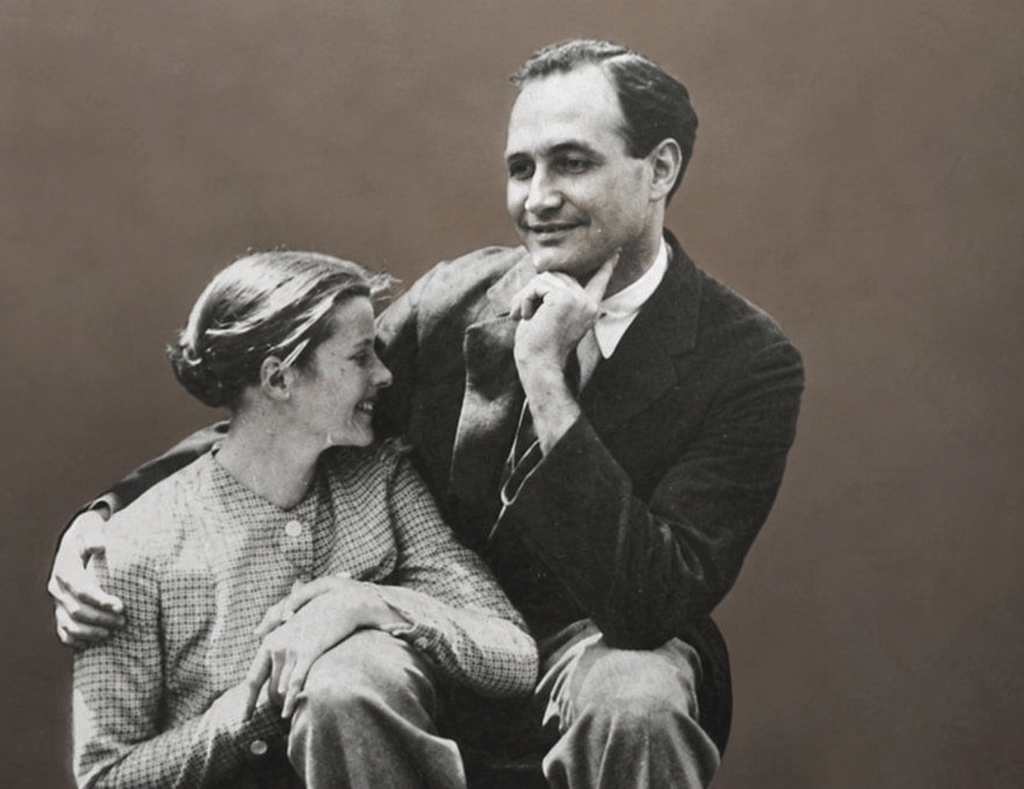
Ludlow Ogden Smith and Katharine Hepburn married on December 12, 1928. At the time, Hepburn was only twenty-one years old, while Smith was twenty-nine. Their wedding represented what many believed was an ideal union—two well-born young people beginning life together within America’s upper-class social framework.
Initially, the marriage appeared stable. Smith supported Hepburn emotionally and financially while she explored her growing interest in acting. During this period, she was still building her career and had not yet become the Hollywood icon history remembers today.
However, the foundation of their marriage quickly became strained as Hepburn’s professional ambitions intensified. Acting was not simply a hobby for her—it was a calling. Her drive toward theater and eventually Hollywood created pressures that their traditional marriage could not easily accommodate.
Why He Changed His Name
One of the most unusual details in Ludlow Ogden Smith’s biography is his decision to change his name after marrying Hepburn. At her request, he became “S. Ogden Ludlow,” a move that surprised many people in their social circle.
In today’s world, a name change of this kind may seem unusual, but names carried powerful symbolic meaning in upper-class America during the 1920s. They represented heritage, identity, and social image. The change appears to have been partly about aesthetics and partly about social branding.
More importantly, it demonstrated Smith’s willingness to compromise. He did not resist making a symbolic personal change for the sake of his wife’s preferences. That choice reflected a generous and supportive personality—one that prioritized harmony over ego.
Why Their Marriage Ended
As Hepburn’s acting career expanded, the distance between the couple grew. By the early 1930s, she was increasingly focused on Broadway and Hollywood, while Smith remained committed to a quieter East Coast life.
Their lifestyles became incompatible. Hepburn wanted artistic freedom, independence, and professional risk. Smith preferred privacy, tradition, and stability. Neither was wrong—they simply wanted fundamentally different lives.
Their divorce was finalized in 1934. Unlike many celebrity divorces, it was not marked by scandal or public bitterness. Hepburn later admitted that marriage was never truly suited to her personality. Smith accepted the end of the relationship with remarkable grace, avoiding public criticism or emotional drama.
His Continued Support of Katharine Hepburn
One of the most remarkable parts of Ludlow Ogden Smith’s story is that he reportedly remained supportive of Hepburn even after their divorce. Their relationship evolved from marriage into mutual respect.
Years later, when Hepburn faced a major career challenge, Smith reportedly helped support her financially during the production of The Philadelphia Story, the play that revived her career and eventually became a major success.
This act reveals extraordinary emotional maturity. Many former spouses distance themselves completely after divorce, but Smith chose generosity instead. His willingness to help her demonstrated enduring affection and personal integrity.
Career and Business Success
While his marriage made him historically recognizable, Ludlow Ogden Smith built an impressive independent career in finance and business. He became president of Ogden Ludlow Inc., a company focused on banking systems and operational efficiency.
His most notable professional contribution was the development of the “Ludlow Formula,” a banking operations model designed to improve efficiency in savings institutions. Though not widely known today, it reflected significant innovation in financial management during the mid-twentieth century.
Smith’s professional life reflected his personality: practical, methodical, and quietly effective. He was not interested in celebrity or public recognition. Instead, he pursued competence and reliability—qualities that earned him professional respect.
Life After Divorce and Second Marriage
After his marriage to Hepburn ended, Smith deliberately withdrew from public attention. He later married Elisabeth Katharine Albers in 1942, beginning a much quieter and more stable chapter of life.
This second marriage lasted for decades and reportedly brought him greater personal contentment. Together they built a family life centered on privacy, responsibility, and traditional domestic values.
Unlike his first marriage, which became part of Hollywood history, this relationship remained largely outside public discussion. That privacy was exactly what Smith wanted, and it reflected his lifelong preference for substance over attention.
Personality and Public Reputation
People who knew Ludlow Ogden Smith often described him as dignified, thoughtful, and deeply courteous. He was not a dramatic personality, which may explain why his story is less widely known.
Yet his quiet nature was one of his greatest strengths. He embodied the classic ideals of an early twentieth-century American gentleman—self-control, professionalism, generosity, and emotional steadiness.
In modern culture, where visibility is often confused with importance, Smith’s life offers an important reminder: some of the most meaningful people shape history quietly.
Death and Lasting Legacy
Ludlow Ogden Smith died in 1979 at the age of eighty. His passing received little public attention, which aligned perfectly with the private life he had chosen for decades.
Still, his legacy has endured. Historians studying Katharine Hepburn frequently revisit his role in her early life, recognizing the emotional and financial support he provided during crucial moments.
Beyond that connection, Smith’s life stands as its own legacy. He demonstrated that dignity, loyalty, and quiet competence matter. He may not have sought fame, but his character continues to earn admiration.
Conclusion
Ludlow Ogden Smith is often introduced as Katharine Hepburn’s first husband, but that description tells only a small part of his story. He was a naval veteran, a successful businessman, a supportive partner, and a man who chose grace over publicity at every major turning point in his life.
His story matters because it reminds us that not all influential lives are public ones. Some people shape history through steady support, thoughtful decisions, and unwavering dignity. Ludlow Ogden Smith lived that kind of life. Though he remained mostly outside the spotlight, his legacy continues to shine in its own quiet and enduring way.